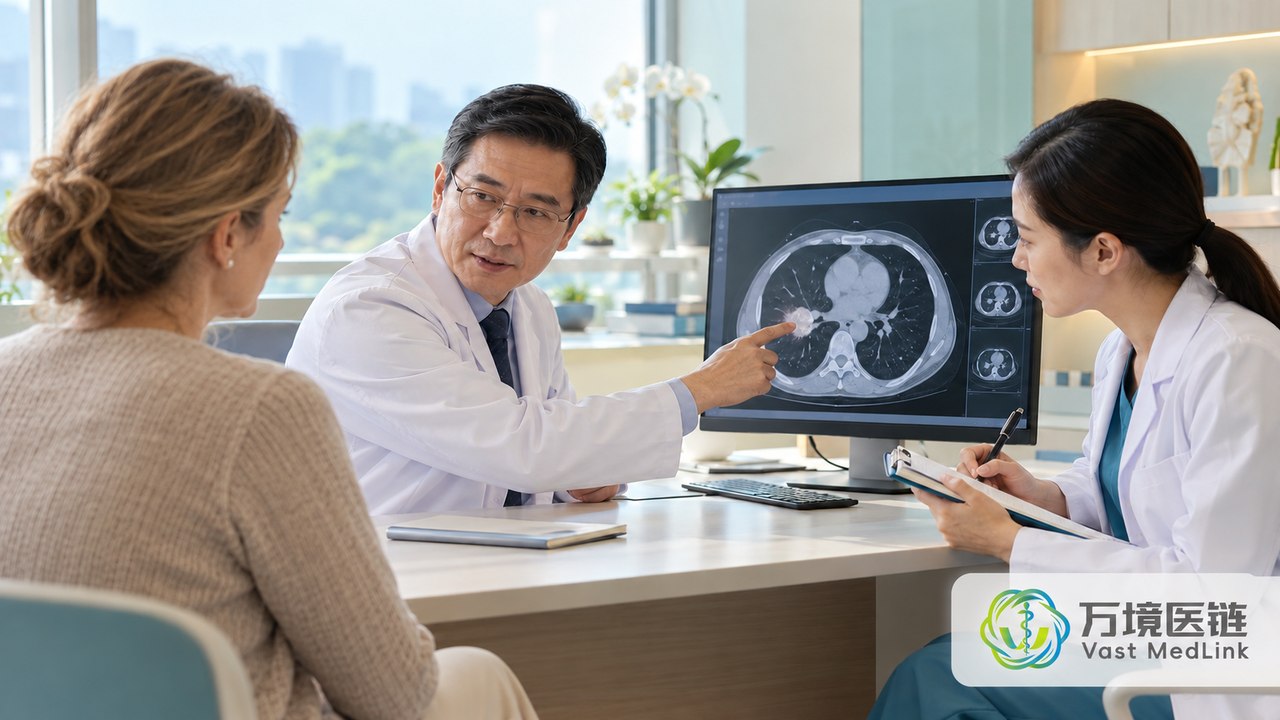
The gold standard in radiation oncology. Accelerated to 70% of the speed of light, proton and carbon ion beams deposit minimal entry dose until stopping precisely at the tumor target depth to release their maximum lethal destructive energy (the Bragg Peak), sparing surrounding vital structures.
Assessment focus Patients needing precise local radiation
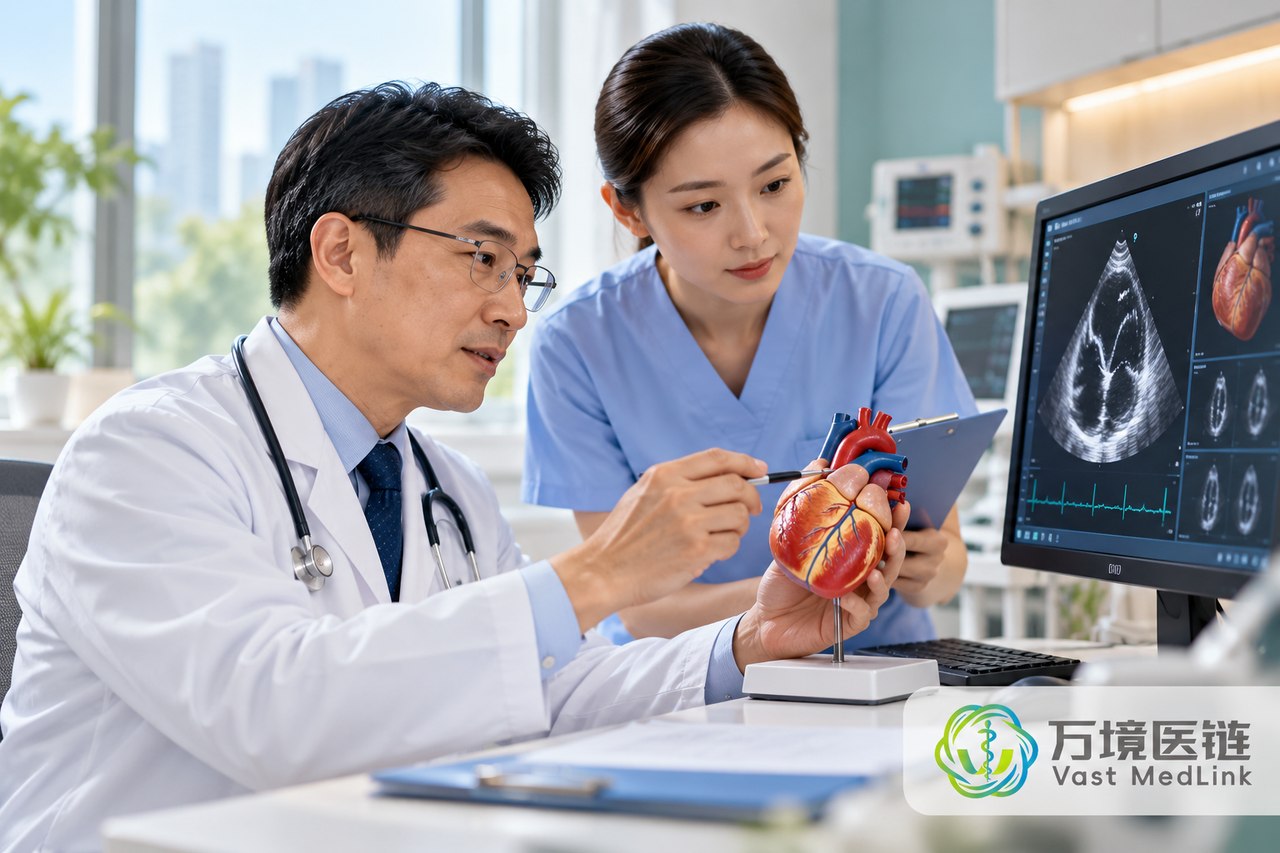
China's Fuwai and Anzhen hospitals lead the world in OPCAB volume (>4,000 procedures annually per center, >85% off-pump rate). Anastomoses are sewn on the beating heart using local myocardial stabilizers, eliminating cardiopulmonary bypass to prevent stroke, renal insult, and systemic inflammation.
Assessment focus Coronary anatomy, completeness of revascularization and aortic calcification
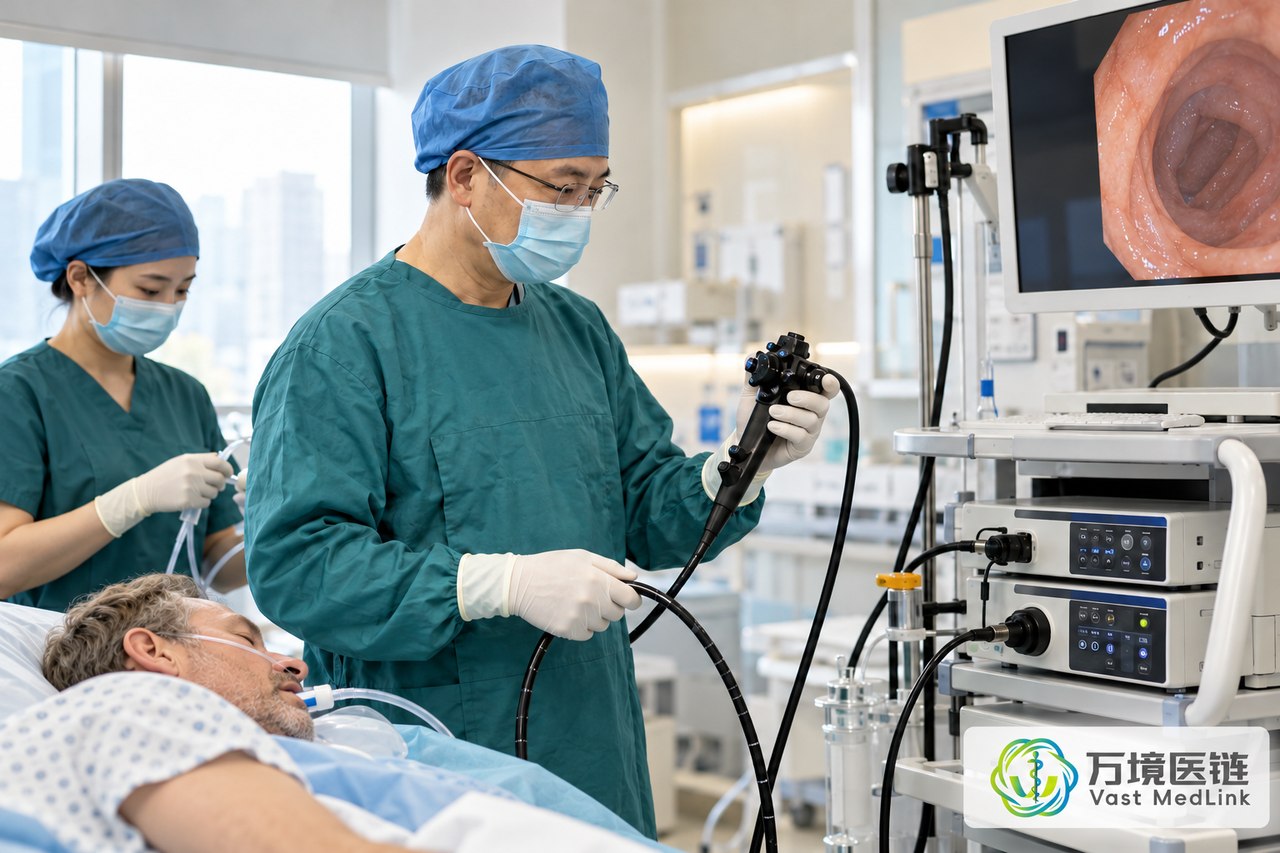
In non-valvular atrial fibrillation (AF), over 90% of cardiogenic thrombi originate in the left atrial appendage (LAA). LAAC deploys a nitinol occluder to permanently seal the ostium via transfemoral access, eliminating the root cause of thromboembolic stroke while freeing patients from lifelong anticoagulant bleeding risks. China's 'One-Stop' combines ablation + closure in a single session.
Assessment focus Nonvalvular AF, anticoagulation limitations and device-related thrombus
Co-developed by Xuanwu Hospital (Prof. Guoguang Zhao) and Tsinghua University, the Closed-Loop Responsive Neurostimulation (RNS) system transforms intractable epilepsy care for patients whose foci overlap critical motor or language speech areas. Unlike conventional continuous DBS, the RNS neurostimulator monitors intracranial electrocorticograms (ECoG) 24/7. When automated algorithms detect incipient epileptiform spikes, it delivers targeted micro-bursts within milliseconds to abort the seizure before clinical manifestations emerge.
Pioneered by Shanghai Renji Hospital and Beijing Jishuitan Hospital, UBE uses two independent 6mm portals (viewing and working) under continuous saline irrigation. Providing open-surgery dexterity with endoscopic minimal trauma, it achieves 360-degree neural decompression and interbody fusion (ULIF) for severe spinal stenosis, enabling same-day ambulation.
Pioneered in China by Prof. Zhou Yue at Xinqiao Hospital, PELD accesses herniated discs through a 7mm keyhole incision under pure local anesthesia via the transforaminal corridor (Kambin's triangle). Under 30x magnification, it removes compressing fragments and radiofrequency-seals the annular tear. Patients communicate pain relief in real time and walk within 2 hours.
Assessment focus Persistent radiating leg pain, numbness or weakness that matches nerve compression on MRI and remains disabling despite appropriate nonoperative care can prompt surgical assessment.
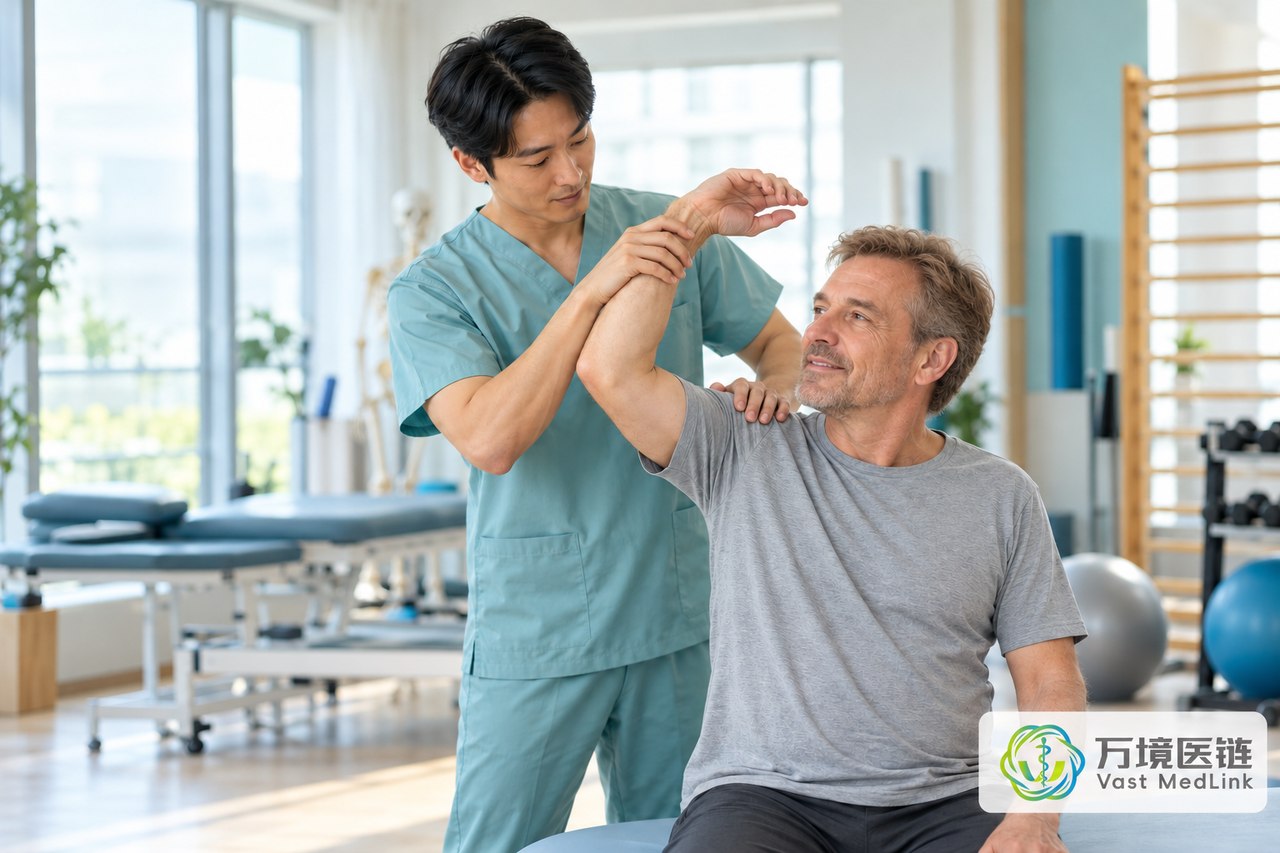
Led by Peking University Third Hospital and Beijing Jishuitan Hospital, this all-inside arthroscopic procedure uses retrograde drilling to create bone sockets instead of full tunnels, preserving 50% more native bone. Using dual-bundle anatomical reconstruction and adjustable cortical button fixation, it restores 100% rotational stability for athletes returning to elite sports.
Assessment focus Reconstruction may be discussed for recurrent instability, pivoting sport or physical work, repairable associated meniscal injury, or persistent instability after rehabilitation.
Combining aerospace multi-sensor fusion technology, flexible drive algorithms and ergonomic design, China's independently developed lower limb exoskeleton rehabilitation robots (such as Daai Robot and Step Robot) can provide adaptive active/passive assistance based on the patient's residual muscle strength of the lower limbs, and strongly input standard gait neurofeedback during ground walking in simulated real space, subverting the traditional artificial crutch rehabilitation model.
Assessment focus Standing tolerance, walking assistance volume, and real-world safety
Enhanced External Counterpulsation (EECP) is a revolutionary non-invasive biomechanical therapy. During the diastole of the human heart, the microcomputer-controlled air bags sequentially exert pressure on the calves, thighs and buttocks, forcefully driving blood from the lower body arteries back to the aortic root and cerebral arteries, increasing cardiac and cerebral perfusion by more than 40%; and exhausting air immediately before cardiac contraction, drastically reducing cardiac ejection impedance, and significantly improving cardiac and cerebral microcirculation and endothelial cell function.
Assessment focus Causes of ischemia, vascular valve conditions and lower limb safety
High-precision focused transcranial magnetic stimulation (rTMS) is used to generate millisecond-level strong magnetic fields that penetrate the skull to non-invasively stimulate specific functional areas of the cerebral cortex. Combined with the dual excitatory effects of acupuncture on the ascending reticular activating system (ARAS), it promotes synaptic remodeling of dormant neurons and activation of local brain metabolism. It has become a cutting-edge rehabilitation tool for consciousness disorders (coma/vegetative state) and refractory limb hemiplegia after severe craniocerebral trauma or cardiac arrest.
Assessment focus Consciousness classification, epilepsy risk and reproducible functional changes
Integrate the ancient Lingnan method of warming meridians and unblocking collaterals with modern millimeter-wave deep radio frequency physical heat therapy. It uses a fully automatic traditional Chinese medicine constant temperature fumigation chamber to absorb high-concentration transdermal traditional Chinese medicine volatile oils (Tuangucao, Shenjincao, Chuanxiong, Frankincense, etc.) Meter-level ionization penetrates into the deep spinal facet joints and fascial layers. Deep radiofrequency increases the temperature of deep paravertebral diseased tissue to 41-43°C, effectively dissolves fibrotic collagen deposition, and prevents the evolution of 'bamboo-like' spinal ankylosis.
Assessment focus Skin sensation, disease activity and active training goals
Using a high-standard large-scale medical air pressurization chamber, in a pure oxygen environment of 2.0-2.5 atmospheres (ATA), by increasing plasma physical dissolved oxygen and brain tissue oxygen partial pressure dozens of times, it breaks the vicious cycle of microvascular spasm, blood-brain barrier permeability damage and mitochondrial energy failure after cerebral ischemia-reperfusion, and provides a powerful source of cell energy recovery for craniocerebral injury, hypoxic-ischemic encephalopathy (HIE) and central nervous system damage.
Assessment focus Evidence of disease, pulmonary and auricular risks, and functional outcomes
Integrate modern intermittent pneumatic pressure pump (IPC), low-molecular-weight heparin targeted anticoagulation and classic traditional Chinese medicine prescriptions of "activating blood circulation, removing blood stasis, promoting qi and diluting water" to build a comprehensive intelligent early warning and active blocking closed-loop system for perioperative deep vein thrombosis (DVT) and fatal pulmonary embolism (PE) in major orthopedic surgery and long-term bedridden critically ill patients, while ensuring a very high anticoagulant thrombosis prevention rate and eliminating the risk of incisional bleeding caused by traditional high-dose anticoagulation.
Assessment focus Thrombus and bleeding balance, skin circulation and return conditions
Integrate the State Administration of Sports' traditional Health Qigong 'Six-Character Jue' (hush, heh, exhale, swallow, blow, hee) to breathe and pronounce the ancient guidance method with modern cardiopulmonary exercise stress test (CPET) quantitative pulmonary rehabilitation technology. By specifically regulating expiratory airflow resistance and thoracoabdominal pressure rhythm, it relieves bronchospasm and rebuilds the active subsidence movement of the diaphragm, effectively improving airway trapping and severe shortness of breath after activity in patients with chronic obstructive pulmonary disease (COPD) and pulmonary fibrosis.
Assessment focus Shortness of breath, endurance, muscle strength and daily activities
Using the internationally recognized isokinetic muscle strength testing system (such as Biodex / Cybex system), under the premise of constant preset angular velocity, the resistance is adaptively matched in real time with the patient's limb muscle output, providing efficient and safe training of 'maximum resistance within the full range of joint motion'. Accurately and quantitatively test the peak torque (PT) and antagonist muscle ratio (H/Q ratio) of knee, shoulder, ankle and other joint flexor and extensor muscle groups to eliminate the hidden dangers of postoperative recurrence of sports injuries and joint instability.
Assessment focus Absolute strength, movement quality and return to activity requirements
Severe dysphagia caused by pseudobulbar palsy after stroke, brain trauma or brainstem lesions is the biggest culprit that causes patients to develop aspiration pneumonia, nutritional failure and lifelong indwelling nasogastric tube. Long-term indwelling gastric tube not only leads to pressure ulcer necrosis of the nose, esophageal reflux and vocal cord paralysis, but also causes the patient to lose his life dignity. The First Affiliated Hospital of Tianjin University of Traditional Chinese Medicine and the Second Affiliated Hospital of Heilongjiang University of Traditional Chinese Medicine have pioneered the ‘deep acupuncture method combined with intermittent orogastric tube injection (IOE)’ based on decades of clinical experience. During the treatment, deep acupuncture points in the back of the neck such as Fengchi, Xuexue, Tianzhu and Lianquan are selected, and needles are inserted at precise angles in the direction of the swallowing center of the medulla oblongata. Low-frequency neuromuscular electrical stimulation (NMES) is used to activate the suprahyoid muscles and pharyngeal constrictors. A very fine intermittent silicone tube is inserted during meals and removed immediately after the meal. This program completely eliminates the continuous suppression of the throat reflex caused by the indwelling gastric tube, and the clinical success rate of removing the gastric tube for independent oral feeding is as high as 91.2%.
Assessment focus Airway protection, nutritional compliance and safe return home