
Tumor
Proton Therapy: Why Is It Considered a More Precise Form of Radiation Therapy, and Which Patients Benefit Most?
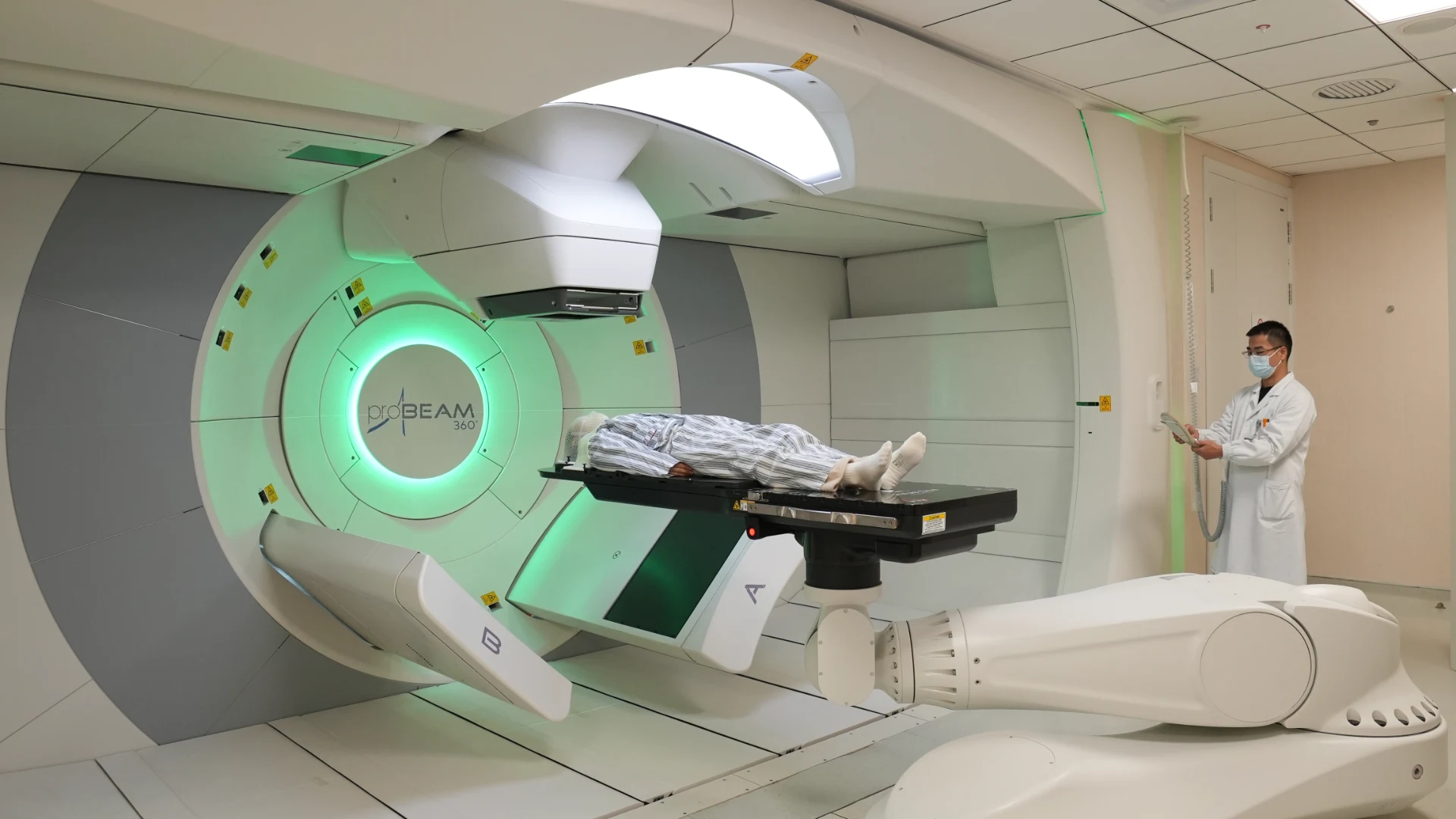
When a doctor tells a patient with cancer that radiation therapy is needed, one of the first questions many patients and families ask is: While radiation kills the tumor, will it also damage the healthy tissues around it? This is precisely the problem that modern radiation oncology has been trying to solve for decades. From three-dimensional conformal radiotherapy to intensity-modulated radiation therapy (IMRT), volumetric modulated arc therapy (VMAT), and stereotactic radiotherapy, radiation technology has continued to move in the same direction: Deliver more radiation to the tumor while exposing normal tissues to less. Proton therapy is one of the most important technologies developed around this principle. It is not a “magic anti-cancer ray,” nor is it a universal treatment for every patient with cancer. Its real value lies in the unique physical properties of protons, which can create dose distributions that are difficult to achieve with conventional photon radiation in selected tumors. This can reduce unnecessary radiation to healthy tissues and create a safer therapeutic window for certain patients.
What Is Proton Therapy?
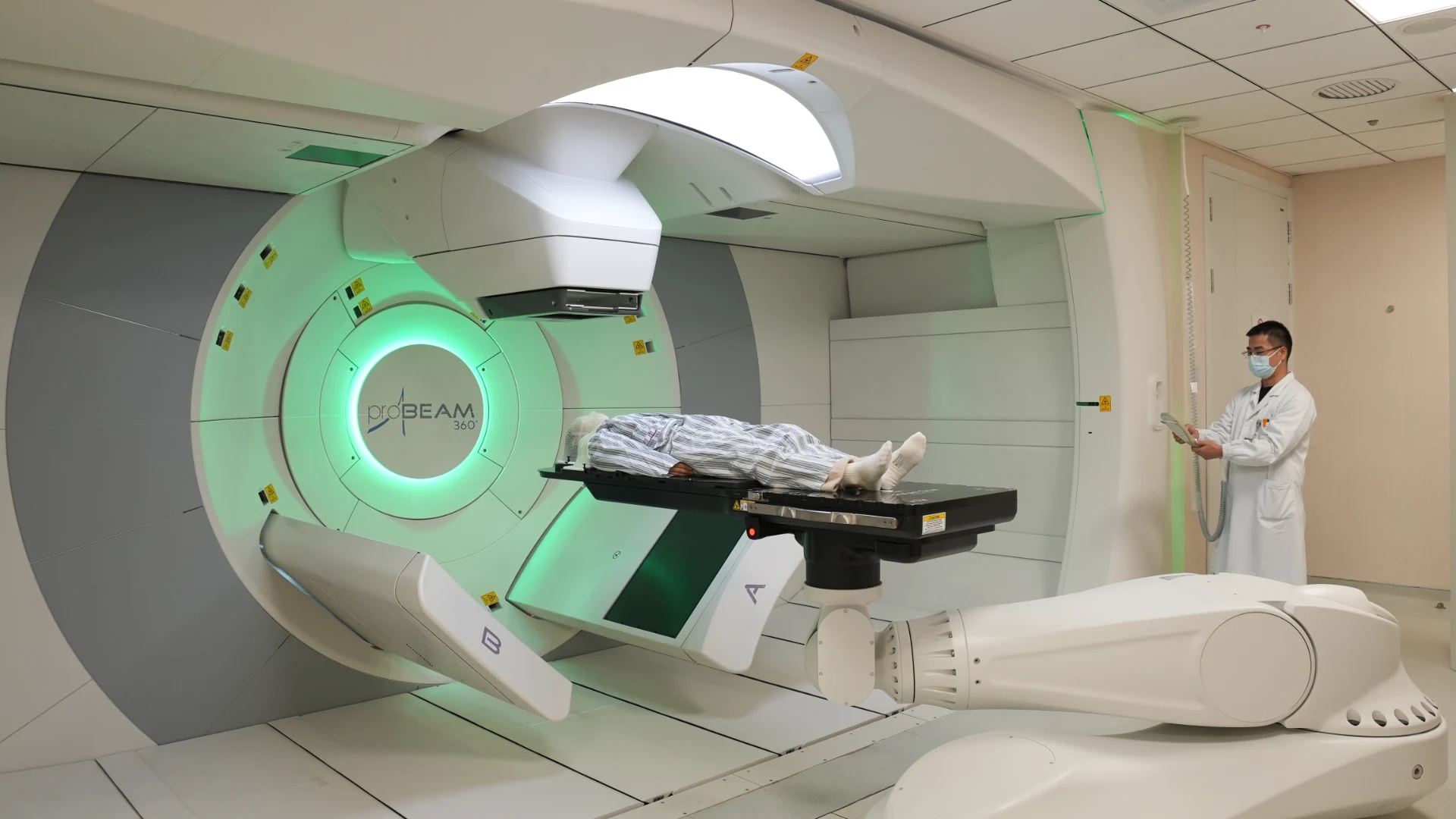
Proton therapy is still a form of radiation therapy. Conventional radiotherapy mainly uses high-energy X-rays, or photons. Proton therapy instead uses hydrogen nuclei—protons—that have been accelerated to very high energies by a large particle accelerator. Doctors first use imaging such as CT, MRI, and sometimes PET to determine the location and size of the tumor and identify surrounding critical organs. Medical physicists and radiation oncologists then design an individualized treatment plan. After being accelerated to high energy, proton beams are precisely directed into the patient's body. They release energy at a predetermined depth, damaging the DNA of tumor cells and preventing them from continuing to divide and proliferate. Therefore, the basic objective of proton therapy is the same as that of conventional radiation therapy: Both use radiation to destroy cancer cells. The major difference is: where the radiation energy is deposited.
Why Can Proton Therapy Be More Precise?
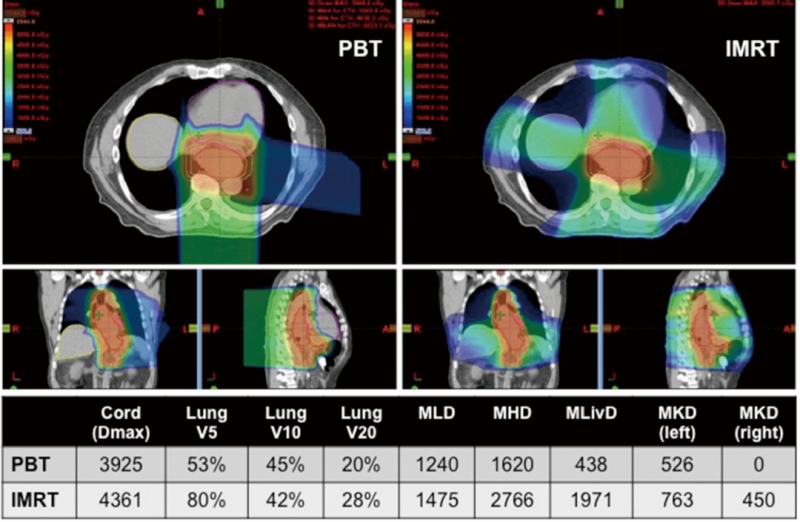
The most important concept in understanding proton therapy is the:Bragg Peak.When conventional X-rays enter the body, they begin depositing radiation from the moment they pass through the skin.For example, if a tumor lies deep inside the brain, X-rays have to travel through the skin, skull, and healthy brain tissue before reaching the tumor. After passing through the tumor, radiation continues farther into the body.Modern IMRT and VMAT can distribute radiation from multiple angles and concentrate the dose very effectively, but some normal tissues will still receive radiation.Protons behave differently.They deposit relatively little energy when they first enter the body. As they approach a predetermined depth, they suddenly release a large amount of energy, creating a peak in radiation dose—the Bragg Peak.After this peak, the dose falls rapidly.
In other words, physicians can adjust the energy of the proton beam so that this major energy deposition occurs as closely as possible inside the tumor. This means that: Normal tissues in front of the tumor may receive less radiation, while tissues beyond the tumor can receive dramatically less unnecessary radiation. Modern pencil-beam scanning technology can combine many Bragg peaks at different depths and positions to create a three-dimensional dose distribution that conforms to the shape of the tumor. Therefore, the most important advantage of proton therapy is not that protons somehow have a “magically stronger” ability to kill cancer cells. Its real advantage is that:the radiation dose can be controlled more precisely within the human body.
Why Is Reducing Radiation to Normal Tissues Important?
Because patients still have a life to live after cancer treatment. For a patient in their seventies receiving localized radiation therapy, some late side effects may not become clinically significant for many years. But if the patient is 5, 15, or 30 years old, radiation exposure today may affect the next several decades of life. Radiotherapy can potentially affect normal tissue growth, neurocognitive function, hearing, endocrine function, fertility, heart and lung function, and may also increase the long-term risk of developing a second cancer. Therefore, in some situations, the real purpose of proton therapy is not: “to kill more cancer cells.” It is: “to achieve the same tumor control while reducing the price paid by healthy tissues.” This is why proton therapy has much greater value in some diseases than in others.
One of the Most Important Groups: Children with Cancer
If there is one area in which the value of proton therapy is particularly clear, it is pediatric oncology. A child's body is still developing. For example, if a child with a brain tumor requires radiotherapy and large volumes of normal brain, pituitary gland, cochlea, thyroid gland, heart, or reproductive organs receive unnecessary low-dose radiation, the consequences may appear years or even decades later. These may include:
impaired cognitive development,
hearing loss,
endocrine disorders,
impaired growth and development,
fertility problems,
and an increased risk of secondary malignancies.
Proton therapy can substantially reduce the so-called “low-dose radiation bath” to normal tissues. For this reason, proton therapy can be particularly important for children requiring radiation for central nervous system tumors, rhabdomyosarcoma, selected sarcomas, neuroblastoma, and other malignancies. The benefit can be even greater in diseases such as medulloblastoma that require craniospinal irradiation, where a very large area must be treated. Protons can substantially reduce radiation exposure to the heart, lungs, intestines, and other healthy organs. For a child who may live for many decades after treatment: reducing unnecessary radiation today is itself part of cancer treatment.
Brain Tumors and Central Nervous System Tumors
The brain is one of the areas of the body in which unnecessary radiation exposure is particularly undesirable. A brain tumor may lie only a few millimeters away from critical structures such as the:
brainstem,
optic nerves,
optic chiasm,
pituitary gland,
cochlea,
and hippocampus.
In these situations, the greatest challenge is often not: “Can we deliver radiation to the tumor?” The real question is: “Can we deliver enough radiation to control the tumor without exceeding the tolerance of nearby critical organs?” Proton therapy can reduce the integral radiation dose to normal brain tissue and may therefore provide important dosimetric advantages for selected meningiomas, low-grade gliomas, ependymomas, medulloblastomas, and other central nervous system tumors. These advantages are particularly important in younger patients.
Skull-Base Chordoma and Chondrosarcoma: Classic Indications for Proton Therapy
Skull-base chordoma is a classic example. These tumors often arise deep within the skull base, sometimes immediately adjacent to the:
brainstem,
optic nerves,
internal carotid arteries,
and multiple cranial nerves.
At the same time, chordomas frequently require relatively high radiation doses to achieve durable local control. This creates a difficult clinical conflict: The tumor needs a high dose, but the surrounding normal structures cannot safely tolerate a high dose.
This is exactly the type of problem proton therapy is particularly well suited to address. For these patients, the value of proton therapy is not simply about reducing side effects. In some cases, it may determine whether physicians can deliver an adequate tumor dose while still protecting the brainstem and other critical structures.
Ocular Tumors
The eye is another organ in which precision is especially important. A tumor measuring only several millimeters or one to two centimeters may lie immediately next to the:
optic nerve,
macula,
lens,
and normal retina.
For selected tumors such as uveal melanoma, proton therapy can use a very sharp dose distribution to concentrate high-dose radiation within the ocular tumor. The objective is not only to control the tumor. For selected patients, physicians may also try to: preserve the eye and, whenever possible, preserve useful vision. For this reason, ocular tumors are among the more established indications for proton therapy internationally.
Head and Neck Tumors
Nasopharyngeal cancer, nasal cavity tumors, paranasal sinus tumors, and selected oropharyngeal cancers can be particularly challenging to treat. The head and neck contain an extraordinary number of critical structures within a very small space, including the:
brain,
brainstem,
spinal cord,
optic nerves,
eyes,
cochlea,
salivary glands,
oral cavity,
and swallowing structures.
Modern photon radiotherapy is already highly precise. However, in selected complex cases, proton therapy may further reduce radiation exposure to the oral cavity, salivary glands, swallowing muscles, cochlea, brain, or spinal cord.
Potential benefits may include reducing:
dry mouth,
swallowing difficulties,
changes in taste,
hearing loss,
and certain long-term neurological toxicities.
For this reason, proton therapy is increasingly considered for selected nasal cavity, paranasal sinus, oropharyngeal, nasopharyngeal, and other complex head and neck tumors.
Re-Irradiation: An Important but Often Overlooked Use of Proton Therapy
Re-irradiation is one of the most important situations in which proton therapy may have a significant role. Some patients have already received radiation therapy during their first cancer treatment. Years later, the cancer may recur in the same area. Doctors may want to use radiation again, but there is a major problem: The surrounding normal tissues have already received radiation once. Organs such as the spinal cord, brainstem, esophagus, and intestines have limits to how much radiation they can safely tolerate. During a second course of radiation, the remaining “safe dose space” may therefore be very limited.
In this setting, every reduction in normal-tissue dose can matter. Because of its rapid distal dose fall-off, proton therapy may help physicians avoid tissues that have already received substantial radiation. Therefore, for selected patients with recurrent tumors who still have a realistic chance of long-term disease control, curative-intent re-irradiation is one of the most important clinical scenarios in which proton therapy should be considered.
Where Is Proton Therapy Most Commonly Used?
| Disease area | Potential clinical value | Why proton therapy may be useful |
|---|---|---|
| Pediatric cancers | ★★★★★ | Minimizes low-dose radiation to normal tissues and may reduce risks to growth, neurocognitive development, and second malignancies |
| Brain/CNS tumors | ★★★★★ | Helps protect normal brain, optic nerves, brainstem, pituitary gland, cochlea, and other critical structures |
| Skull-base tumors, especially chordoma/chondrosarcoma | ★★★★★ | Often require very high doses while lying immediately next to the brainstem and cranial nerves; classic indications for proton therapy |
| Ocular tumors | ★★★★★ | Particularly useful for tumors such as uveal melanoma, where the target is small and surrounded by highly sensitive structures |
| Head and neck tumors | ★★★★☆ | May reduce dose to the salivary glands, oral cavity, brainstem, spinal cord, cochlea, and swallowing structures |
| Re-irradiation | ★★★★★ | Previously irradiated normal tissues have limited remaining tolerance; reducing unnecessary dose can be especially valuable |
| Liver cancer | ★★★★☆ | Particularly useful for selected localized tumors unsuitable for surgery or ablation while reducing radiation exposure to normal liver |
| Spinal/paraspinal tumors and sarcomas | ★★★★☆ | Can improve protection of the spinal cord, kidneys, bowel, and other abdominal structures |
| Mediastinal lymphoma | ★★★★☆ | Particularly relevant for younger patients because it can reduce dose to the heart, lungs, and breast tissue |
| Esophageal cancer | ★★★☆☆ | Can reduce heart and lung dose; supported by strong dosimetric evidence and emerging clinical evidence |
| Locally advanced lung cancer | ★★★☆☆ | May be valuable when heart and lung doses are high, although not every patient requires proton therapy |
| Breast cancer | ★★☆☆☆–★★★★☆ | Mainly relevant to selected left-sided breast cancers, internal mammary node irradiation, younger patients, or patients with excessive cardiac dose using photons |
| Prostate cancer | ★★☆☆☆ | Technically feasible, but compared with modern IMRT/VMAT, a general survival advantage has not been established; usually not the highest-priority use of limited proton resources |
Which Patients Should Most Seriously Consider Proton Therapy?
The value of proton therapy is determined not simply by the name of the cancer, but by three questions.
First: Is the tumor close to important organs that are particularly sensitive to radiation?
Second: How many years is the patient expected to live after treatment?
Third: Compared with the best available photon radiation plan, how much normal-tissue radiation can proton therapy actually reduce?
Consider two patients with lung cancer. One may have a small tumor far away from the heart and may already receive an excellent treatment plan with stereotactic body radiation therapy (SBRT). Another may be a younger patient with locally advanced disease immediately adjacent to the heart and requiring a large radiation field. The potential value of proton therapy may be completely different in these two cases. A scientifically sound decision about proton therapy should therefore consider: tumor type + anatomical location + patient age + previous radiation exposure + treatment objective + dosimetric comparison between photon and proton plans. Proton therapy is not appropriate for every patient with cancer. Selection should be individualized and, whenever possible, based on multidisciplinary evaluation.
Why Are More International Patients Beginning to Consider Proton Therapy in China?
For many years, Asian patients seeking proton therapy often looked first to Japan, South Korea, or Singapore. China's proton therapy capacity, however, has been expanding rapidly. Its potential advantages are not simply the result of “having more machines.”
Several factors are developing simultaneously.
1. China Has Developed Proton Centers with Substantial Clinical Experience
China is not new to proton therapy. Large particle-therapy centers in Shanghai, Shandong, and other regions have accumulated meaningful clinical experience. Publicly released data from Shandong Cancer Hospital showed that its proton center had treated more than 2,200 patients by early 2026. The Shanghai Proton and Heavy Ion Center has operated proton and carbon-ion therapy for many years. By the end of 2024, more than 7,600 patients had completed particle therapy there, with more than 1,200 patients treated during 2024 alone. The significance of treatment volume is not simply that a center is “large.” Proton therapy requires highly coordinated experience among:
radiation oncologists,
medical physicists,
radiation therapists,
radiologists,
nurses,
and other specialists.
This becomes especially important in complex cases such as pediatric tumors, skull-base tumors, musculoskeletal malignancies, and re-irradiation. International Particle Therapy Co-Operative Group data also show that China now has multiple proton or proton/carbon-ion facilities in clinical operation, with additional centers under development. China is gradually moving from a small number of centers in a handful of cities toward a broader particle-therapy network.
2. Proton Therapy Costs in China Are Beginning to Fall
Proton centers are extremely expensive to construct and operate, which is one reason proton therapy remains substantially more expensive than conventional radiotherapy in many countries. However, as domestic equipment enters clinical use and patient volumes increase, some Chinese centers have begun to offer proton therapy at lower prices. For example, the published pricing standard for the domestically developed proton system at Ruijin Hospital states that: the maximum charge for one course of treatment for the same indication is RMB 170,000. The Shandong Proton Center previously published a standard charge of approximately: RMB 270,000 for a complete course of proton therapy. These figures should not be interpreted as a single national price for proton therapy in China.
Actual costs depend on:
the hospital,
tumor type,
number of fractions,
hospitalization requirements,
imaging,
anesthesia,
and other cancer treatments.
Nevertheless, from an international medical-travel perspective, some Chinese public proton centers are becoming increasingly price-competitive.
3. One of China's Most Important Advantages Is Its Integrated Cancer-Care System
Cancer treatment rarely depends on a single machine. Many patients require combinations of:
surgery,
radiation therapy,
chemotherapy,
targeted therapy,
immunotherapy,
interventional therapy,
pathology,
molecular testing,
and intensive or supportive care.
For example, a patient with a skull-base chordoma should not simply be referred directly to a proton machine. The clinical team first needs to determine:
Can the tumor be surgically removed?
How extensive should surgery be?
When should postoperative proton therapy begin?
How close is the residual tumor to the brainstem and optic nerves?
Similarly, a patient with lung cancer should not arrive at a hospital and automatically proceed directly to proton therapy.
Doctors first need to ask:
Is there a targetable driver mutation?
Is surgery appropriate?
Is immunotherapy indicated?
Does the patient need concurrent chemoradiotherapy?
Proton therapy is only one tool within the overall cancer-treatment strategy. One potential strength of major Chinese cancer centers is the ability to integrate proton therapy into a comprehensive multidisciplinary treatment system. For an international patient, this may ultimately be more important than simply finding a hospital that owns a proton machine.
Is More Expensive Treatment Always Better?
No.
The goal of modern cancer medicine is not to use the most expensive technology. It is: to use the right technology for the right patient. For a child with a brain tumor, proton therapy may significantly reduce radiation exposure to healthy tissues over decades of future life. For a patient with a skull-base chordoma, it may help physicians deliver a sufficiently high tumor dose while protecting the brainstem. For a patient with recurrent cancer who has already received radiation once, proton therapy may create an additional therapeutic window for re-irradiation. But for other patients, modern IMRT, VMAT, or SBRT may already provide excellent treatment. In these situations, proton therapy may not provide a meaningful additional clinical benefit. Therefore, the most important question is not: “Is proton therapy the most advanced technology?” The better question is: “For my specific tumor, what meaningful additional benefit can proton therapy provide compared with the best available photon radiation therapy?”
Conclusion
Proton therapy represents an important direction in the development of modern radiation oncology.
What it fundamentally changes is not whether radiation can destroy cancer cells.
The more important question is:
Can we destroy cancer cells while better protecting the patient?
This is why proton therapy is particularly relevant in pediatric cancers, brain and skull-base tumors, ocular tumors, complex head and neck cancers, selected liver tumors, spinal tumors, and re-irradiation.
As China expands domestic proton technology, develops more experienced particle-therapy teams, and builds a broader treatment network, the country is gradually becoming an increasingly important option in the global proton therapy landscape.
However, whether a patient ultimately chooses China, Singapore, Japan, the United States, Germany, or another country, the first step should not be purchasing an expensive technology.
It should be finding an experienced multidisciplinary team capable of answering three questions:
Do I genuinely need proton therapy for my cancer?
Compared with the best photon radiation plan, how much radiation to my normal organs can proton therapy actually reduce?
And is that dosimetric advantage likely to translate into a clinically meaningful benefit for me?
Only after these questions are answered can proton therapy move from being simply an “advanced technology” to being the right treatment for the right patient.
What to do next
For a conversation about your situation, contact a coordinator through the consultation form. Do not send medical records through the public form.